Aviation Community
A Pilot’s Perspective: Insider Tips for Aspiring Aviators

Embarking on the journey to become a pilot is an exhilarating adventure filled with dreams of soaring through the skies. However, that path can be paved with challenges and uncertainties. As an aviator who’s navigated this course, I’m excited to share essential insights, particularly tailored for those looking to take flight in their aviation careers.
*Choosing the Right Aviation School**
One of the most crucial steps in your journey is selecting an aviation school that aligns with your goals. Aviation schools typically offer various types of courses catering to different aspirations:
1. **Private Pilot License (PPL):** Ideal for beginners, this course introduces you to the fundamentals of flying and grants you permission to fly solo or with passengers under visual flight rules.
2. **Commercial Pilot License (CPL):** Aimed at serious aviators wanting to turn their passion into a profession, this program dives deeper into navigation, meteorology, and advanced flying techniques.
3. **Instrument Rating:** For those who wish to fly in varying weather conditions, this training teaches pilots how to control aircraft using instruments rather than visual references.
4. **Flight Instructor Certificate (CFI):** If sharing knowledge excites you, consider becoming a flight instructor. This certification allows you to teach aspiring pilots while honing your own skills.
5. **Airline Transport Pilot License (ATPL):** The pinnacle of pilot certifications, this license is required for those aiming for careers as airline captains or other high-level positions within commercial aviation.
Each of these pathways opens doors not only to personal fulfillment but also to diverse career opportunities across the aviation sector.
*Explore Online Resources**
In today’s digital age, connecting with fellow enthusiasts and seasoned professionals has never been easier. Here are some valuable online resources where aspiring aviators can find inspiration and information:
**Aviation Blogs:** Websites like *The Flight Deck* and *Aviation Weekly* provide insights from industry veterans about trends, tips, and experiences that could shape your understanding of aviation.
**Websites:** Check out *SkyVector*, which offers route planning tools alongside aeronautical charts crucial for every pilot’s toolkit.
**Social Media Sites:** Platforms like Instagram and Twitter are brimming with accounts dedicated solely to aviation content—follow hashtags like #PilotLife or #AviationGeek for daily doses of aerial inspiration!
Engaging with these platforms can help you stay updated on industry developments while also allowing you to network within the community.
*Training Through FAA-Approved Schools**
When it comes down to practical training, FAA-approved flight schools are indispensable resources that provide structured learning environments equipped with top-notch facilities:
1. **Flight Schools:** These institutions often feature experienced instructors and modern fleets that cover everything from basic flying skills to advanced maneuvers necessary for commercial piloting.
2. **Airplane Schools:** These specialized schools focus on specific aircraft types or capabilities—perfect if you have a particular interest in flying certain planes!
3. **Simulators:** Many programs now incorporate state-of-the-art simulators that mimic real-world flying scenarios without leaving the ground! This technology helps enhance decision-making skills under pressure while ensuring safety during initial training phases.

In conclusion, whether you’re just starting your journey or looking toward advanced training options, remember: every pilot was once an aspiring aviator fueled by passion and determination. With the right education path chosen from reputable sources online or through FAA-approved schools—and a savvy approach towards networking—you’ll be well on your way toward achieving those lofty dreams! So gear up; adventure awaits!
Onboard Experience: What It’s Really Like to Fly First Class

When it comes to flying, there’s a world of difference between the cramped quarters of economy class and the plush comforts of first class. But what really sets this elevated experience apart? Beyond the sumptuous seats and gourmet meals, first-class travel embodies an entire ecosystem of aviation excellence that begins long before you step onto the plane.
To understand this, let’s take a peek behind the curtain at the educational landscape shaping future pilots and aviation professionals. Aviation schools come in various forms, each offering unique courses tailored to different career paths. For aspiring pilots, flight training programs are fundamental. These schools provide hands-on instruction in both actual aircraft and simulators, teaching everything from basic maneuvers to advanced navigation techniques. When seeking FAA-approved flight schools, it’s vital to check their accreditation and curriculum offerings; many renowned institutions offer specialized courses like instrument ratings or multi-engine operations.
But it doesn’t stop there! Aviation encompasses a wide range of careers beyond piloting. Many institutions offer programs in aviation management, air traffic control, aerospace engineering, and maintenance technology. Students can immerse themselves in topics such as aviation safety regulations or airline operations, positioning them for diverse roles within the industry.
For those looking for insights beyond formal education, numerous blogs and websites cater to aviation enthusiasts and professionals alike. Sites like **Airliners.net** and **FlightAware** provide real-time data about flights around the globe along with community forums where users share experiences and advice. Social media platforms have also become crucial for networking; Twitter is abuzz with hashtags like #AvGeek or #PilotLife where followers can connect with aviators sharing tales from their personal journeys through the skies.
Next up on our exploration is one of the cornerstones of modern aviation training: simulators. Advanced flight simulators have revolutionized how pilots train today—offering immersive experiences that mimic real-world scenarios without leaving solid ground. These high-fidelity systems allow trainees to practice emergency procedures or complex maneuvers safely while gaining invaluable insights into cockpit dynamics. The benefits don’t just extend to pilot training; they’re also used extensively for cabin crew simulations ensuring everyone knows how to handle unexpected situations onboard.
Now back to that luxurious first-class experience! Let’s paint a picture: upon entering a first-class cabin, passengers are greeted with smiles from attentive staff eager to ensure comfort throughout the journey. Spacious seating allows room for relaxation—or work—complete with adjustable reclining options that transform into fully flat beds when needed. Dining becomes an event rather than just sustenance; expect chef-prepared meals served on fine china alongside premium beverages.

Amenities such as noise-canceling headphones enhance your auditory experience while personalized service means you’ll rarely need anything twice—the crew remembers preferences that make every passenger feel special during their flight.
In conclusion, flying first class isn’t just about enjoying lavish perks; it symbolizes years of hard work by countless individuals trained through diverse educational avenues in aviation schools worldwide. With dedicated resources available online—be it blogs or social media communities—and cutting-edge technology like flight simulators propelling training forward, both aspiring aviators and seasoned travelers can appreciate not only what goes into crafting an exquisite onboard experience but also how interconnected our love for flight truly is!

Behind the Cockpit: Unveiling the Secrets of Flight Operations

Aviation is a realm filled with intrigue, technical prowess, and a touch of magic. But what really happens behind the cockpit doors? To understand this fascinating world better, one must delve into aviation schools, online resources, and flight operations training that prepare aspiring pilots for their soaring careers.
*Aviation Schools: A Diverse Spectrum of Courses**
Embarking on a journey to become a pilot starts at aviation schools, where various courses cater to different aspirations. The most common types include:
1. **Private Pilot License (PPL)**: This foundational course teaches students how to fly privately without compensation. It covers basic flight maneuvers, navigation skills, and emergency procedures.
2. **Commercial Pilot License (CPL)**: For those aiming to turn flying into a profession, CPL courses dive deeper into advanced flying techniques and operational regulations.
3. **Instrument Rating (IR)**: This qualification allows pilots to navigate through clouds and poor weather conditions using instruments alone — critical for safety in commercial aviation.
4. **Flight Instructor Certification**: Experienced pilots often pursue this path to teach others. It not only enhances their skills but also expands career opportunities within the industry.
5. **Airline Transport Pilot (ATP)**: The pinnacle of pilot certifications, this rigorous program prepares individuals for commanding larger aircraft in commercial airlines.
These educational pathways are essential stepping stones toward mastering the skies.
*Navigating Aviation Resources: Blogs and Websites**
In addition to formal education, countless online resources offer insights into aviation trends, tips for aspiring pilots, and updates on industry news. Below is a curated list of some noteworthy blogs and websites:
**Airliners.net**: A treasure trove for aviation enthusiasts featuring forums discussing everything from aircraft spotting to airline news.
**Flying Magazine**: With articles ranging from piloting techniques to gear reviews, this publication has been an essential read since 1927.
**Pilot’s Digest**: Packed with practical advice and real-life experiences from seasoned aviators.
**The Aviation Herald**: An indispensable source that publishes reports on aviation incidents worldwide—an eye-opener about the risks involved in flying.
Social media platforms also serve as rich veins of information:
**Instagram** allows users like @pilotlifeofficial or @aviationdaily to share breathtaking aerial views alongside personal stories from the cockpit.
On Twitter, follow hashtags like #AvGeek or accounts such as @FlyingMag for quick updates on industry happenings in real time.
YouTube channels like ‘Captain Joe’ provide entertaining yet informative content that demystifies complex topics related to flying.
*FAA Flight Schools & Simulators**
When considering your training options in the U.S., FAA-certified flight schools stand out as pillars of quality education and safety standards. These institutions guide students through both theoretical knowledge and hands-on experience with advanced simulators—tools vital for honing skills before hitting the open skies.
Many FAA-approved programs utilize sophisticated flight simulators that replicate real-world flying scenarios without leaving the ground—a perfect way for students to practice emergency procedures or learn new maneuvers safely. These simulators can mimic various weather conditions and aircraft systems malfunctions; invaluable experiences that build confidence before taking command of an actual plane.

In summary, pursuing a career in aviation is not just about learning how to fly; it encompasses understanding complex operational protocols while staying updated with industry trends through diverse resources available online. Whether you’re dreaming of soaring through clouds or teaching others how to navigate them safely, remember that every great pilot starts by mastering what goes on behind the cockpit door!
A Pilot’s Perspective: Adventures in the Skies

As the sun rises and casts a golden hue across the horizon, the thrill of flying beckons. For those of us fortunate enough to don a pilot’s wings, every ascent into the skies is an adventure waiting to unfold. But the journey to become a skilled aviator is paved with rigorous training, innovative technology, and continuous education.
Aviation has evolved dramatically over the past few decades. Today’s pilots are equipped with advanced tools and technologies that were once confined to science fiction. Flight simulators have taken center stage in pilot training, providing an immersive environment where aspiring aviators can hone their skills without leaving the ground. These high-tech devices replicate real-world flying conditions—complete with turbulence, weather changes, and emergency scenarios. Simulators not only save costs but also allow for repeated practice of critical maneuvers until they become second nature.
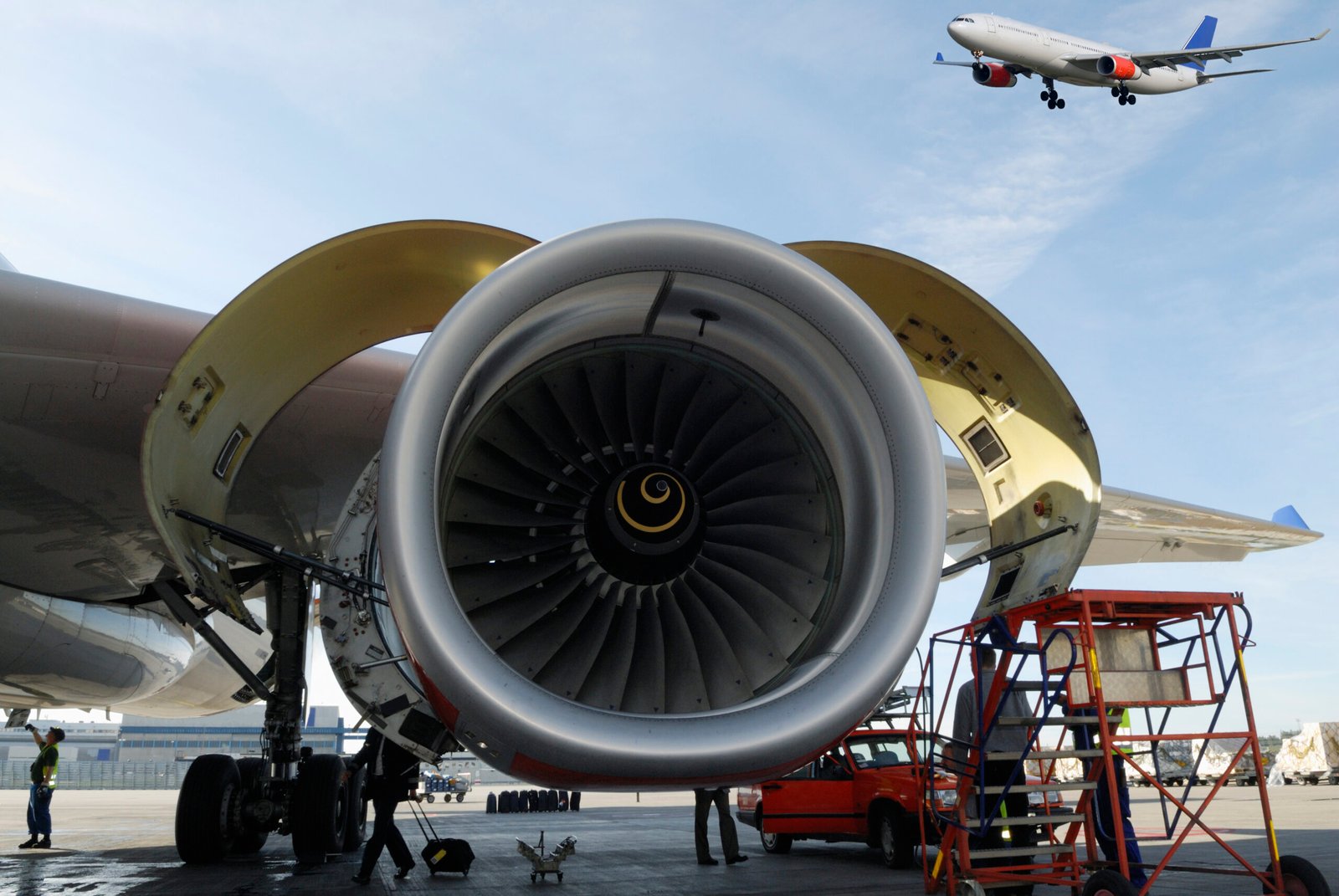
Alongside simulators, online resources for aviation enthusiasts and professionals abound. Several blogs and websites cater to pilots at all stages of their careers. Some notable mentions include “The Pilot’s Blog,” which shares personal experiences from aviators around the world, and “Flying Magazine,” offering insights into aviation news and trends. Social media platforms like Instagram and Twitter have become bustling hubs for pilots to connect; hashtags such as #PilotLife or #AvGeek draw in thousands sharing breathtaking aerial views or snippets from their cockpit adventures.
For those looking to formalize their aviation knowledge, numerous online courses and ground schools are available today. Organizations such as Gleim Aviation or King Schools provide comprehensive training programs covering everything from private pilot licenses to advanced certifications. The convenience of studying at home while balancing work commitments makes these programs incredibly appealing for aspiring pilots eager to take flight.
But let’s not forget about job opportunities within this dynamic industry! The demand for skilled aviators continues to rise as airlines expand operations globally. Pilots can find positions ranging from commercial airline jobs to corporate flying roles or even cargo transport services. Additionally, niche markets like agricultural aviation or aerial photography provide unique pathways for those looking to carve out a distinctive career in the skies.
We’re also witnessing a revolution courtesy of drones—a game changer in both recreational use and industry applications! From delivering packages to surveying landscapes, drones offer endless possibilities while requiring specific FAA regulations for operation. Pilots who venture into this realm must familiarize themselves with Part 107 rules governing commercial drone usage.
For anyone interested in exploring more about aviation regulations or seeking guidance on becoming a certified pilot, resources from the Federal Aviation Administration (FAA) are invaluable. Their website provides comprehensive information on licensing requirements, safety guidelines, air traffic control procedures, and much more essential data that any aspiring aviator should know.

In conclusion, being a pilot is more than just operating an aircraft; it’s about embracing technology through flight simulations while continuously learning through online courses and connecting with fellow aviation enthusiasts across various platforms. With evolving regulations surrounding drones and consistent demand for qualified professionals in commercial aviation, there’s never been a better time to pursue your passion for flying! So strap in—your adventure awaits high above the clouds!
Behind the Cockpit Door: A Day in the Life of an Airline Pilot

When one imagines life as an airline pilot, thoughts often drift to the thrill of soaring through the clouds and commanding a massive aircraft. However, behind that cockpit door lies a world filled with rigorous training, advanced technology, and continuous learning. Let’s take a closer look at what it truly means to be an airline pilot in today’s aviation landscape.

*Aviation Technology Training**
The journey to becoming a pilot begins long before you ever step into the cockpit. Aspiring aviators must undergo extensive training that blends traditional methods with cutting-edge technology. Flight simulators play a crucial role in this process. These sophisticated devices replicate real-life flying scenarios, allowing pilots to practice maneuvers without leaving the ground. From handling emergencies to navigating tricky weather conditions, simulators provide invaluable experience.
Moreover, many airlines are increasingly incorporating virtual reality (VR) technology into their training programs. VR offers immersive experiences that can enhance situational awareness and decision-making skills—an essential aspect of piloting.
*Resourceful Online Learning**

In our digital age, knowledge is just a click away. Numerous aviation blogs and websites serve as treasure troves of information for both novice pilots and seasoned professionals alike. Websites like Airliners.net and PPrune.org provide forums for discussions on everything from technical issues to industry news.
Social media platforms have also become pivotal in connecting aviators across the globe. Twitter accounts such as @PilotNetwork offer insights into daily operations while Instagram showcases breathtaking views from the cockpit.
For those looking to deepen their understanding or even launch their career in aviation, online courses are a fantastic option. Platforms like Coursera and Udemy now offer comprehensive courses covering topics from aerodynamics to air traffic control procedures. Ground schools are essential too; they prepare students for FAA examinations while providing practical knowledge necessary for flight safety.
*Career Opportunities for Pilots**
Once trained, pilots can explore various job opportunities within the industry. While commercial airlines often attract most attention, there are many paths one can take—from cargo transport and charter flights to agricultural aviation or even flight instruction roles. The demand for qualified pilots continues to rise globally, making this profession an appealing choice for anyone fascinated by flying.
Yet it’s not just about traditional aviation anymore; drones have carved out their niche in recent years as well. As remote-controlled aircraft become increasingly sophisticated, they require skilled operators who understand airspace regulations and safety protocols—yet another avenue where aspiring aviators can find opportunity.
*Navigating Regulations and Resources**
Understanding regulatory frameworks is critical for any pilot’s success story. The Federal Aviation Administration (FAA) provides resources that cover everything from licensing requirements to safety guidelines—and they’re accessible online! Pilots should regularly check FAA links for updates regarding regulations or procedures that could impact their flying practices.
Additionally, staying informed about industry developments is vital; following reputable aviation organizations like AOPA (Aircraft Owners and Pilots Association) can keep you updated on legislation affecting air travel or advances in technology influencing how we fly.
In conclusion, life behind the cockpit door is multifaceted—a blend of education, practice, regulation compliance—and perhaps most importantly—a passion for flight that keeps pilots striving toward excellence every day they log hours in the sky. Whether through formal training via simulators or engaging with online communities dedicated to aviation enthusiasm—the path is filled with opportunities waiting to be seized!